Step 01
Medical detox
3 to 7 daysAround-the-clock medical supervision through the most physically demanding phase of recovery. Comfort-focused, evidence-based protocols.
Published by Pinnacle Peak Recovery · a licensed addiction treatment facility in Scottsdale, AZ. Calls answered by Pinnacle Peak Recovery admissions staff.
About this site →Arizona · Medical detox
Around-the-clock medical supervision through alcohol, opioid, benzodiazepine, and stimulant withdrawal. Detox is stabilization, not treatment, but for some substances unsupervised quitting carries real health risk. Pinnacle Peak Recovery's detox program is the medical runway treatment uses.

When professional detox actually matters
Detox is stabilization, not the whole treatment.
Alcohol and benzodiazepine withdrawal can carry serious medical risk if attempted at home. Opioid withdrawal is rarely dangerous, but unmanaged it has one of the highest relapse rates of any substance. Pinnacle Peak Recovery's detox program covers the medical piece so the work that follows has a foundation.
Continuum of care
Around-the-clock medical supervision through the most physically demanding phase of recovery. Comfort-focused, evidence-based protocols.
Live on campus with structured therapy, group sessions, and clinical care. Time and space to do the work.
Day-program intensity with evening reintegration. The bridge between residential and outpatient life.
Continued therapy and accountability while you return to work, school, and family. Built for long-term success.
Insurance verification
Pinnacle Peak Recovery admissions runs a full benefits check before any commitment. We work with most major commercial carriers, including those listed below. Out-of-network reimbursement is also available on many other plans.
Verify in minutes
Pinnacle Peak Recovery admissions runs the benefits check. No commitment to enter treatment.
Or call 888-AZ-REHAB. Confidential, 24/7. Calls answered by Pinnacle Peak Recovery.
What detox looks like at Pinnacle Peak
Withdrawal supervision
24/7 nursing presence, vital-sign monitoring, and clinical staff on site. The goal is to make withdrawal medically safe and as physically tolerable as evidence-based protocols allow.
Medical management
Comfort medications appropriate to the substance and clinical picture, used to prevent the medical complications that make unsupervised withdrawal risky for alcohol and benzodiazepine cases.
What stabilization feels like
Most clients sleep more in the first 48 hours than they have in months. Hydration, nutrition, and rest. Clinical conversations stay light until the body has caught up.
Common questions
For alcohol and benzodiazepines, often no. Withdrawal from heavy use of either can produce seizures and, rarely, a syndrome (delirium tremens for alcohol) that is medically dangerous. For opioids and stimulants, at-home detox is rarely physically dangerous, but the relapse rate without medical management is very high. The first phone call walks through what your situation looks like.
Typically 3 to 7 days, depending on substance, dose history, and clinical picture. Alcohol and short-acting opioids tend to clear faster. Long-acting benzodiazepines can require slower-taper protocols that run longer. Admissions can give you a more specific estimate after the assessment call.
Step-down into residential treatment is the standard path. Detox stabilizes the body. Residential begins the actual behavioral work. Pinnacle Peak Recovery runs detox at a dedicated site less than three miles from the residential campus, with the same admissions team and the same care plan carrying through, so the handoff is internal rather than discharge-and-rebook.
Most clients are in a shared bedroom with one other person in detox. Common areas, dining, and clinical staff are accessible throughout. Social isolation in early withdrawal is the wrong design for most people.
We're in-network with Blue Cross Blue Shield, Cigna, Tricare, Ambetter, and a handful of smaller plans. Admissions runs a full benefits check before you commit to anything. Out-of-network reimbursement is also available on many other plans.
Yes. Substance use treatment is protected by federal 42 CFR Part 2 confidentiality rules in addition to HIPAA. Admissions can walk through what that means in practice on the first call.
Local context
If you are reading this, the question you are probably trying to answer is some version of "do I actually need medical detox, or can I quit at home." The answer depends on what you are quitting, how long you have been using, and what your body has adapted to. For some substances unsupervised quitting is genuinely dangerous. For others it is mostly miserable rather than medically risky, but the relapse rate without medical management is high enough that supervision matters anyway.
This page is for that question. It covers when professional detox is medically necessary, what detox actually is and is not, what the program looks like at Pinnacle Peak Recovery's Scottsdale facility, and what tends to happen after stabilization. Medical detox is the first step for many clients, not the whole treatment. The distinction between those two things is the most useful framework you can carry into the first call.

There are two substances where unsupervised withdrawal carries meaningful medical risk, and they are the ones most people underestimate.
The first is alcohol. Heavy daily drinking changes the brain's GABA system, and abrupt cessation can produce a withdrawal syndrome that ranges from uncomfortable shaking and anxiety at the mild end to seizures and delirium tremens at the severe end. Delirium tremens is rare, but it has a real mortality rate when untreated, per SAMHSA TIP 45 (the standard reference on detoxification and substance abuse treatment). If you have been drinking heavily every day for months or years, the calculation is not whether withdrawal will be uncomfortable but whether it will be medically safe.
The second is benzodiazepines. The withdrawal pattern is similar to alcohol because they act on the same receptor system. Long-term users coming off Xanax, Klonopin, Valium, or Ativan can experience seizures and protracted withdrawal that lasts weeks. Tapering safely requires medical management, with the Ashton Manual the long-standing clinical reference for benzodiazepine withdrawal protocols. Sudden cessation, especially after long-term high-dose use, is the substance class where at-home detox most often goes wrong.
Opioid withdrawal is rarely physically dangerous in otherwise healthy adults. It is, by all accounts of clients and clinicians, miserable. The relapse rate from unsupervised opioid detox is very high, and most relapses happen during or immediately after the worst of withdrawal because the brain has had its tolerance reset and the original dose is now potentially fatal. The medical case for supervised opioid detox is less about preventing seizures and more about preventing the overdose that follows an attempted at-home quit.
Stimulant withdrawal (cocaine, methamphetamine) is psychologically difficult but not medically dangerous in the way alcohol or benzodiazepine withdrawal is. The body does not need a medical stabilization unit to come off stimulants safely. As a result, medical detox for stimulants is rarely clinically necessary and rarely covered by insurance. Most stimulant clients enter directly into residential or PHP rather than detox, where the depressive crash, sleep disruption, and intense cravings are managed alongside the start of behavioral work.
Detox is stabilization. The point is to get the body through withdrawal safely and to bring the client to a clinical baseline where the actual treatment work becomes possible. It is not the treatment.
This distinction matters because clients sometimes finish detox feeling significantly better than they did walking in, and conclude that they have completed treatment. They have not. The substance is out of the system. The patterns, the underlying mental health context, the social environment, and the behaviors that built the use over months or years are all still there. Discharging from detox and going home is one of the highest-risk transitions in addiction medicine. The 30-day relapse rate after detox-only treatment is high enough that most clinical guidelines, including the ASAM Criteria, do not recommend detox as a standalone intervention.
What detox does well is the medical piece. Vital-sign monitoring, medication management, hydration, nutrition, rest, and clinical staff on hand for whatever the body does as it adjusts. For alcohol and benzodiazepines that medical piece is structurally important. For opioids and stimulants it is comfort-focused, with the secondary goal of keeping the client in the building long enough that the next step in care is realistic.
The detox program is staffed around the clock with nursing presence. Vital signs are monitored on a schedule that adjusts based on what the client is withdrawing from. Medical staff are on site or on call. Clients arrive, get assessed, and are placed in a shared bedroom with one other person.

The bedroom matters in a way that is easy to underestimate. Withdrawal is uncomfortable enough that physical comfort is part of the clinical picture, not separate from it. Sleep, hydration, food, and a calm environment are the non-medication parts of stabilization. The space is intentionally not hospital-like. The reasoning is straightforward. Most clients have been to a hospital at some point during their use, and that environment is associated with the worst moments of their addiction rather than the start of recovery.
Common areas, kitchen access, and outdoor space are open during detox. Most clients spend the first 48 hours sleeping more than they have in months. The clinical conversations stay light during that period. Medical staff are checking in, but the program does not push group therapy or heavy clinical work until the body has caught up enough that the client can engage. That is usually somewhere between day three and day five.
Comfort medications are used appropriately to the substance. The protocols are evidence-based and adjusted to the individual clinical picture. The clinical team will walk through what is being prescribed and why. Clients are not expected to know in advance.
Supportive supplementation runs alongside the comfort medications. Most clients are put on a daily multivitamin from intake. Clients in alcohol detox typically receive folic acid and thiamine, which address nutritional deficits common in long-term heavy drinkers and reduce the risk of Wernicke-related complications. Clients in stimulant detox have been responding well to N-acetylcysteine (NAC) supplementation, which has emerging evidence for reducing cravings during the acute crash. IV fluids are available when oral hydration is not enough. The supplements are a small piece of the protocol, but the cumulative effect on how clients feel during the first week of recovery is real.
Most detox stays run three to seven days. The exact length depends on what is being withdrawn from, dose history, and the client's clinical picture.
Alcohol detox is typically the shorter end of that range, three to five days for most clients without complications. Opioid detox sits at the longer end, usually five to seven days. The reason is clinical: buprenorphine (Suboxone) induction typically cannot start until 48 to 72 hours after the last opioid use, otherwise the client is pushed into precipitated withdrawal. That waiting window is built into the protocol for fentanyl, heroin, oxycodone, and other opioids, which is why opioid detox runs longer than alcohol detox even when the rest of the picture looks similar. For fentanyl in particular the timeline can extend further because the substance accumulates in fat tissue and releases over time, producing a more protracted withdrawal pattern than the textbook curve suggests. Benzodiazepines often require a phenobarbital-based cross-taper, which both manages the withdrawal and provides robust seizure prevention through the highest-risk window; the taper is individualized and often extends into residential continuing care rather than ending at discharge. Stimulants are not in this list because medical detox is rarely the right entry point for stimulant clients in the first place; the depressive crash and craving pattern are managed inside residential or PHP rather than as a standalone detox stay.
The clinical team will give a more specific estimate after the initial assessment. The estimate is not a contract. If withdrawal is more or less complicated than expected, the protocol adjusts.
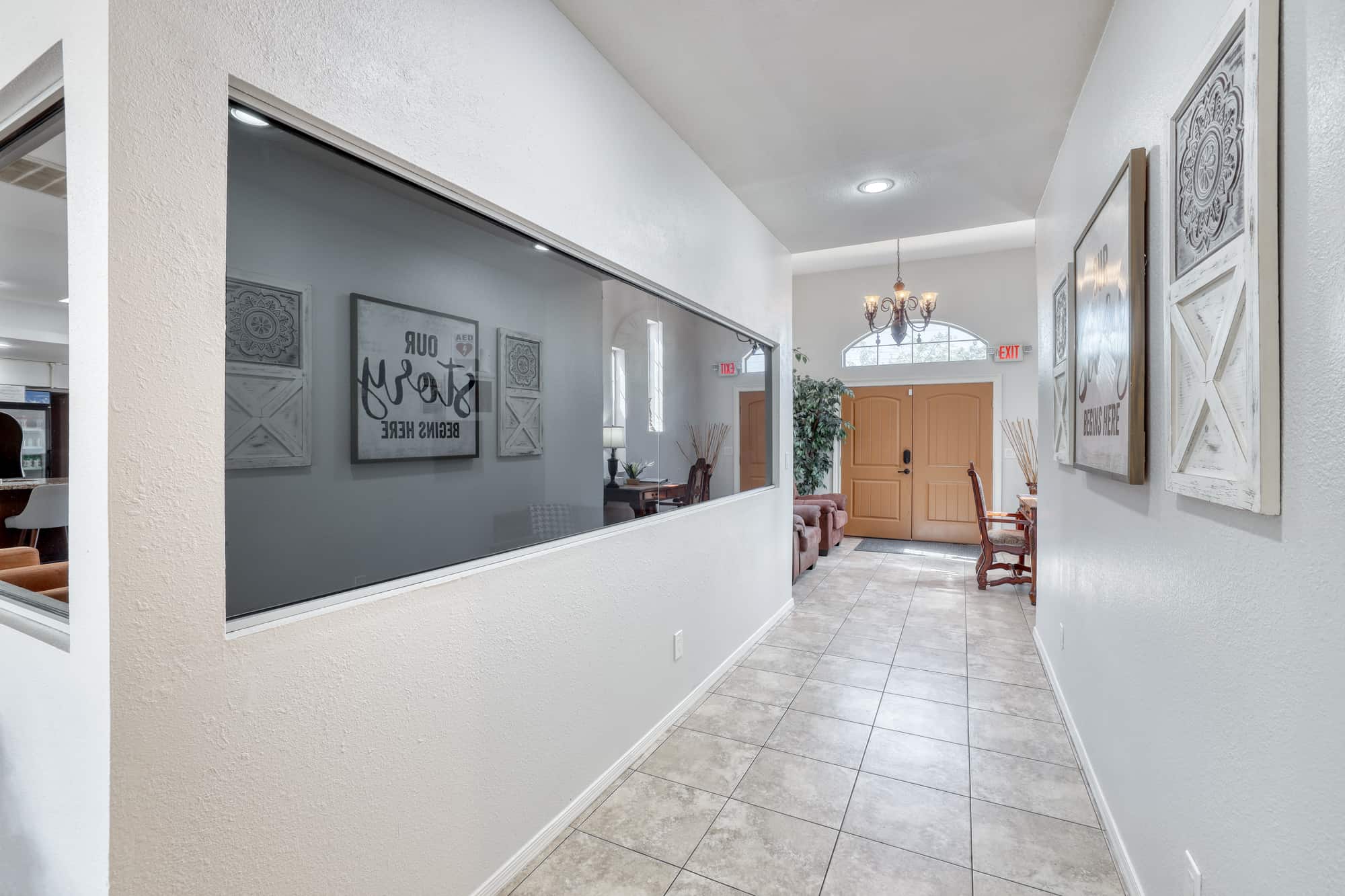
The strongest predictor of long-term outcomes after detox is whether the client steps directly into continuing care, rather than discharging home and trying to schedule something later.
For most clients, the next step is residential treatment. The body is stable. The client has slept. The substance is out of the system. That is the moment when behavioral and clinical work becomes possible in a way it was not at intake. Residential typically runs up to 30 days, with the actual length determined by clinical need and what your insurance authorizes. Some clients stay longer when clinically indicated and authorization supports it. Others step down to PHP earlier. Most of the durable behavior change happens here.
Pinnacle Peak Recovery runs detox at a dedicated site less than three miles from the residential campus. The handoff between detox and residential is internal even though the buildings are different: the same admissions team and the same care plan carry through, the clinical team that managed the medical piece is in conversation with the team that runs the residential work, and the records move with the client. The client is not discharged from detox and asked to find a residential program, and they do not have to start over telling their story to a new clinical team.
For some clients, the right next step is partial hospitalization (PHP) or intensive outpatient (IOP), particularly when the home environment is recovery-supportive and family or work obligations make residential difficult. The clinical team builds the step-down sequence with the client during detox. The shape of the plan depends on the picture, not a fixed sequence.
Going home directly from detox is sometimes the right call, but it is the highest-risk transition in addiction care. If that is what the discharge looks like, the conversation about aftercare, follow-up appointments, sober support, and the specific plan for the first 30 days happens carefully and in detail.
Severity of withdrawal. Most clients are worried that it will be worse than it actually is, or that they will feel like they are dying without medical help. The medical piece is structurally there for a reason. Comfort medications are part of the protocol for every substance class where they are appropriate. Withdrawal is not pleasant, but it is medically managed.
Cost. Most major commercial insurance is in network. Admissions runs the verification before you commit to anything, and the number you get back is your real out-of-pocket exposure. If you do not have insurance, that conversation happens openly on the call rather than after you arrive.
Work. Detox is a five-day window for most clients. FMLA covers most clients in employer-sponsored situations. Admissions can walk through what your situation looks like, including how to communicate the absence to an employer in a way that protects your privacy.
Privacy. Substance use treatment is protected by federal 42 CFR Part 2 confidentiality rules in addition to HIPAA. Treatment records cannot be released to most third parties, including most employers, without explicit written consent. Admissions can walk through what that means in practice on the first call.
Whether you really need medical supervision. This is the question this page exists to answer. If you are withdrawing from heavy daily alcohol use or long-term benzodiazepine use, the medical case is clear. For opioids and stimulants, the case is more about relapse prevention than acute medical risk, and for many clients the clinical case for medical detox over an at-home attempt is decisive even when the medical risk is lower. The intake call walks through your specific situation.
Whether this is even bad enough to warrant a call. If you are reading a page like this, you are already evaluating that question. The call is not a commitment. It is a conversation that ends with a clearer picture of what your options actually are.
For the clinical fundamentals at the level most families want before the first call, see the following guides:
And the related treatment topics:
Alumni voices
“Pinnacle Peak Recovery is an amazing facility that provided me the skills and knowledge to overcome my addiction and start a new sober life.”
“This is a great place if you are truly looking to recover. They took the time to invest in me and make sure that I have the proper tools to stay sober.”
“The staff, clinical practitioners, and medical care providers were all fantastic people who really helped me in my process of recovery.”
References
Ready when you are
Confidential. Free. No commitment to enter treatment. Pinnacle Peak Recovery admissions answers, usually in under a minute.
Arizona service area
Pinnacle Peak Recovery accepts clients from across the Phoenix metro and greater Arizona. Treatment happens at the Scottsdale campus.